 ▶
GAMEFOLD / Puzzle
Puzzle games
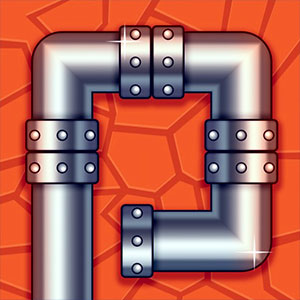
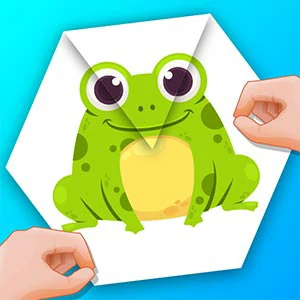
The twelve titles here share one habit: the board tells you more than the first glance suggests. In Paper Fold you sequence the folds, in Roll The Block you plan a path for a moving block, and in Plumber Pipe you rotate sections into a working route. Taking one careful look before touching the board usually saves more time than rushing into a move.
How the puzzle collection was chosen
Start with the easiest read: Mahjong Story 2 pairs tiles by pattern, Momo Pop clears connected pieces, and Higgs Ball Paint fills areas with colour. When you want a longer plan, Drawing Lines Great Adventure and Road Connection build their challenge around the route you draw.
The twelve fall into rough families. Four are about drawing: Drawmaster2 turns a sketch into a route, Drawing Lines Great Adventure makes the line part of the scene itself, Protect The Dog 3D uses a sketched barrier against a hazard, and Thief Puzzle Online asks for a wide path that keeps an extending arm clear of everything.
Another group is about arrangement. Plumber Pipe wants every bend facing the next one before the water reaches the outlet, Roll The Block changes its own footprint as it moves, Road Connection is only finished when the whole network agrees, and Paper Fold settles the picture purely through the order of its folds.
Mahjong Story 2, Momo Pop and Higgs Ball Paint make up the matching group, where the order of pairs, groups or runs decides what stays reachable once the board starts to close.
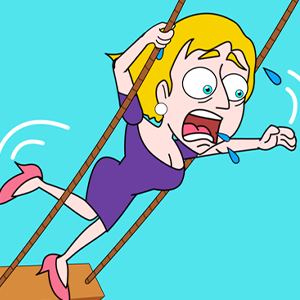
Save The Girl 3 is the odd one out, since it rewards reading a scene and choosing one useful action rather than planning a sequence.
A single habit covers most of the shelf: take one full look before touching anything. In the drawing titles that means checking whether the line has support, in the arrangement titles it means finding the fixed endpoints first, and in the matching titles it means clearing from the top so nothing gets boxed in.
Most stalls come from a move made too early. A pipe turned before its neighbour is set, a fold taken before the edges are counted, or a pair cleared out of the middle all produce a board that looks nearly finished and no longer works.