Start from the fixed endpoints
The board hands you two fixed endpoints and a scatter of pieces between them, and the route only counts once every joint lines up. Turning pieces is the easy part; recognising which ones are already decided before you touch them is where the level is genuinely solved.
Two fixed ends decide the corridor between them
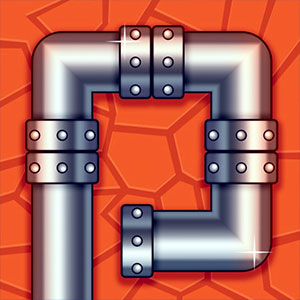
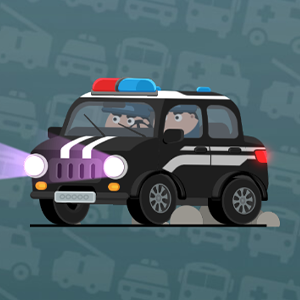
Join the fixed endpoints with one unbroken route in which every placed segment matches the piece beside it. A level is complete when a vehicle could follow the road from one end to the other without meeting a gap or a misaligned joint.
Slide a piece to connect the routes it touches, and tap or click a road tile to change its orientation one step at a time. The level's own prompt reads "Sliding to connect routes," so move the tile you are working on rather than hunting for a separate tool.
Find the two fixed endpoints and note which way their open sides point. Those two directions define the corridor everything else has to fill, so complete the pieces touching the endpoints before you touch anything in the middle of the board.
Sliding is the move, turning is the adjustment
The level's own hint is "Sliding to connect routes," which tells you that moving a piece into contact is the primary action rather than spinning tiles in place. Work a piece toward the neighbour it should meet and use rotation only to make the final joint line up.
Settle the end tiles first
Pieces touching a fixed endpoint have the fewest valid orientations, so they are the cheapest decisions on the board. Finish both of them before going inward, and the middle of the level arrives already constrained instead of open-ended.
Corners carry the most risk
A corner piece has to satisfy two neighbours at once, so a single wrong turn there can strand half the network. Straight segments only have to agree with what sits in front of and behind them, which is why checking a corner twice costs far less than rebuilding around it.
Push inward from both ends
When the centre refuses to resolve, resist rotating tiles there. Solve outward from the endpoints and let the remaining shape dictate what the middle pieces must be. Inner tiles often fit only one way once the surrounding road is finished, so the last placements tend to confirm themselves.
A blank tap means the move has been accepted
The interface asks you to click blank space to continue between steps, which is the game confirming that the placement you just made has registered. If the board looks unchanged and no continuation prompt appears, the piece is not seated yet — re-check the joint rather than assuming the level is stuck.
Reading a road board rather than a puzzle board
There is no timer and no score to chase here: the only condition is that the network joins. That makes it a spatial reasoning task rather than a reaction test, which is a different session from the timing titles on the same shelf.
Questions about the corner pieces
How do corners differ from straight road pieces?
A corner has to satisfy two neighbours at once, so it carries most of the risk in a level, while a straight piece only has to agree with the tiles in front of and behind it. Check the corners twice, because a corner that looks right can still block the opposite side of the network.
Do I slide pieces or rotate them?
Both appear here. The level's own prompt reads "Sliding to connect routes," so sliding a piece into contact is the main action, and tapping a tile turns its orientation one step at a time when a joint needs the final adjustment.
Is there more than one way to finish a level?
The endpoints and the pieces around them usually force a single correct corridor, so the route is generally determined even though the board looks open. Treat any layout that leaves two competing exits mid-board as a sign that an outer piece was set wrong.
Why does the board look unchanged after I place a piece?
The interface waits for you to click blank space before continuing, which is the confirmation step rather than a stall. If no continuation prompt appears at all, the joint is not lined up yet and the piece needs adjusting.