Adjust one thing per miss
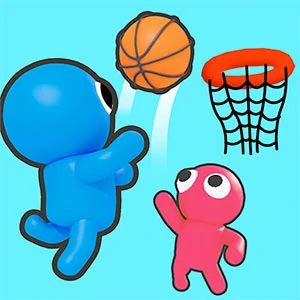
Basketball Challenge is an aiming loop with no defence to read: one upward swipe sends the ball, and the hoop can move between rounds. Every shot is a fresh measurement, so the whole game is about adjusting one thing at a time.
An upward swipe sets both force and direction
Score enough baskets to meet the current target, whether the round asks for a number of makes, a streak, or a set of attempts. The hoop can change position between rounds, so every shot is a fresh aim.
Set the shot by dragging or swiping upward from the ball. How far the ball travels follows from how long the stroke is, and where it heads follows from the stroke's direction, so a longer swipe sends the ball farther.
Line the ball up with the centre of the rim and make one smooth upward swipe, then watch whether the shot falls short or long. That first result is your reference for adjusting the next gesture by a small amount.
Change one thing after every miss
When a shot fails, resist the urge to redraw everything. Adjust the gesture by a small amount, either a little more length for a short shot or a little less for one that flies long, because changing one factor at a time shows you exactly what the rim needs.
Scale the gesture to the rim's distance
The correct swipe changes with the hoop's distance: a close rim needs a shorter, gentler gesture while a far one wants more length. Watch the gap between ball and basket before you start, then scale the swipe to match, judging arc and distance before the gesture rather than during it.
Return to a clean medium swipe after a break
After a miss or a pause, go back to the basics: centre the ball under the rim and make one clean, medium swipe. Trying to overcorrect the previous error usually produces another miss in the opposite direction, and a calm reset gives you a reliable reading of the current hoop.
Check the score display for the round's goal
The on-screen score display shows the format the current round is chasing, whether that is makes, a streak, or attempts, so read it before you settle into a rhythm. Knowing the target tells you what a miss costs and where the natural stopping point sits.
Treat every new hoop as a fresh aim
Every round can present a different rim position, so treat each shot as a new aiming problem instead of copying the last gesture. Look at where the hoop sits, judge the distance, set the arc accordingly, and let the first shot of the round recalibrate you.
The quietest shot on the shelf
Next to the line-shooting titles around it, this one has no defenders and no obstacles to clear; the only read is the distance between ball and rim. It suits a visitor who wants a pure measurement challenge rather than a lane puzzle, so the tempo stays calm throughout.
Dialing in the right swipe length
How do I control the power of my shot?
An upward swipe sets the shot: the direction of the gesture controls the trajectory and its length controls how far the ball travels. Keep the motion smooth from start to finish and nudge the length a little at a time to shape the arc.
Why does my usual swipe start missing shots?
Because a fresh round can bring a different rim position, the same gesture aimed at the old hoop misses the new one. Re-aim around the fresh hoop and use your next attempt to re-measure the distance, then adjust only what that shot reveals.
What should I adjust first when a shot falls short?
Add a little length to the swipe first. If it flies long, trim the same amount off; a single tweak per attempt reveals the rim's demand quicker than reworking the whole gesture.
Is there a defender to play around?
No. This game strips out the defence entirely, so each attempt is purely about the distance and the arc between your swipe and the rim, which makes a made basket a solved aiming problem rather than a contested one.