Commit to one line of traffic
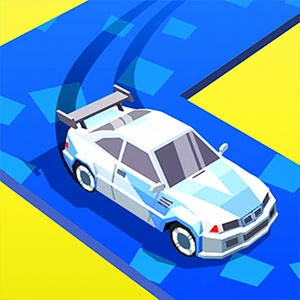
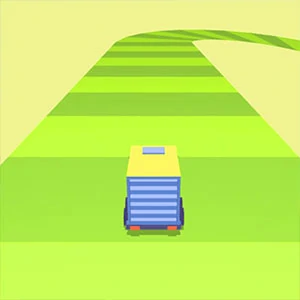
Race Masters Rush is a lane-based racer where staying on the route matters more than raw pace. You pick a line early, hold it through the hazards, and only change lanes when the next one is visibly clear. A settled run usually beats a frantic one.
Holding one line beats frantic weaving
Reach the finish line and keep a good position by staying on the route through every hazard. The race counts as done when your vehicle completes the course without leaving the track, so holding the road is the whole job.
Steer with the control the game shows on screen, which is usually keyboard input, mouse dragging, or one-finger horizontal movement on a touch device. Match your input to the hint displayed for your current device before the first hazard arrives.
Choose an open lane in the opening moments and commit to it before the first hazard cluster. One controlled change is safer than a series of quick nudges that drift sideways across the track, so settle early and let the race come to you.
Hold one lane through the first hazard cluster
Once you pick a lane, small adjustments inside it are enough. Constant switching at speed carries the vehicle sideways into the very hazard you were avoiding, so trust the line you chose and correct gently instead of hunting for a prettier route every second.
Overtake only into the gap beyond the blocker
When another vehicle blocks your lane, wait for a section where the next lane is visibly free, then move once and hold the new line. Do not cross back until the hazard behind you is gone; a single decisive overtake costs less time than three hesitant ones.
Read the next curve while the straight is open
High speed makes late corrections expensive, so use the straights to study the next group of hazards and pick your lane before the corner starts. The vehicle follows the line you set early, not the one you wish for mid-corner, so a clean approach fixes most of the turn.
Rebuild pace where the track clears
If a mistake costs you time, do not chase the pack through a crowded stretch. Find the next open section, settle the vehicle, and rebuild speed there. One clean pass of the route is faster than several attempts that keep clipping hazards on the edge of the road.
Match your steering to the on-screen hint
The game tells you which input it expects, be it keys, mouse dragging, or one-finger touch, so check that hint at the start and steer with that method only. Mixing two input styles mid-race usually ends with a correction that lands the wrong way at the worst moment.
A calm racer among the reflex-heavy titles
The game rewards a settled line rather than twitchy reactions, since the hazards arrive in readable patterns and the route itself does the work. On the shelf it suits a visitor who wants controlled driving decisions instead of a constant reaction test.
Overtaking without the crash
How do I overtake another vehicle without crashing?
Wait for a section where the neighbouring lane is visibly empty, then make one decisive move and hold the new line. Look past the current blocker to the gap beyond it, and do not drift back until that hazard is well behind you.
Why do small corrections cause crashes at speed?
Because the vehicle travels far while you think. A nudge made a moment too late or held a moment too long carries it across the track toward the edge. Make each correction once, early, and release - a settled hand beats a busy one on a fast road.
A lane is blocked and no clear gap shows. What now?
Stay in your current lane and hold position rather than forcing an overtake. The pattern usually opens a gap after the next hazard passes, and a patient half-second costs less than a desperate swerve that clips the edge.
I fell behind after one mistake. Should I chase the pack?
No. Sprinting through a crowded section usually causes a second hit. Drop back into open space, settle the vehicle, and rebuild pace there - one clean stretch restores more than several risky passes.