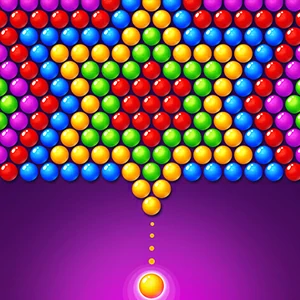
Tap the piece with most neighbours
Jelly Boom is a match-style clear where every tap on a jelly can set off a chain across its neighbors. Each level asks for a target — clearing the pieces it names or reaching a score goal — inside the moves the round allows, so the board position you choose matters more than how fast you click.
A chain spreads from the piece you pop
Clear the pieces the level asks for, or reach the score target within the moves the round allows. A tap that starts a chain clears more than a tap on a lone jelly, so the goal stays a matter of position rather than pure speed.
Click or tap a jelly to trigger the action the current level allows. Tools the round offers appear beside the board as separate controls, and the game marks which pieces you can use, so read the prompt for the current tool before pressing.
Scan for the most crowded group on the board and tap a jelly that touches several neighbors. Watch how the layout settles after the reaction, then plan from the new arrangement instead of the old one, because the board you memorised no longer exists.
Pop the piece that touches the most neighbours
A jelly with several contacts around it gives a reaction the most room to spread, so compare the crowded groups before you tap. The chain travels outward from the piece you choose, which makes the first tap the one that decides how much of the board disappears. Pick the position with the highest contact count.
Reassess from the settled layout, not the old one
Every reaction rebuilds the board, so a plan drawn from the previous arrangement targets pieces that have already moved. Let the animation finish, watch the new groups form, and choose from what is on screen now. Planning one move ahead is plenty, because the board changes too much to read several chains in advance.
Prefer moves near the centre of the board
Central jellies sit against more neighbours than edge pieces do, so a reaction started there has more surface to travel across. When two options look equal, take the one closer to the middle and let the chain do the clearing. Edge pieces rarely offer the same kind of spread.
Free the board when no option looks good
If every group reads as weak, tap the cluster that unlocks the most neighbours even when it scores little by itself. Loosening a blocked section costs one move and gives the remaining layout new contact points. A low-value tap that opens the board usually beats a quiet tap that changes nothing.
Spend the round's moves on chain starters
The move limit is the real resource, so each tap should aim to start a reaction rather than remove a single jelly. A lone piece popped in isolation spends the round without producing anything behind it. Read the move count against the target and favour the taps that visibly thin the board.
Read the board-side tools before you tap
When a level offers tools they sit beside the board as separate controls, so check the prompt for what the current round allows. The game points out which pieces you can use, which turns the tool into a second way to trigger a chain. Noticing the tool before pressing avoids wasting a move on the wrong trigger style.
How longer chains start
How do I create longer chain reactions?
Start from the most crowded group and tap a jelly that touches several neighbours, because the reaction spreads outward from the piece you choose. Let the board settle, then repeat on the new densest cluster. Chains grow when every tap lands where contact is highest, not when you pop pieces at random.
Where should I look for good moves?
Start with the centre, where jellies sit against more neighbours than edge pieces do, and compare the crowded groups before each tap. When nothing looks strong, tap the group that unlocks the most neighbours even if it scores little right now. The settled layout is the only board you should plan from.
Does the move limit change how I play?
Yes — each tap spends one of the moves the round allows, so a lone jelly popped in isolation wastes the budget. Aim every tap at a cluster where a chain can start and thin the board in one action. If the target and the move count are on screen, read both before pressing.
What should I do after the board settles?
Look at the new groups and choose from that layout rather than the old one, because the reaction already changed the contact points. Ask where the densest cluster moved to and trigger it from the centre. This keeps the whole round planning from the current board instead of a stale snapshot.