Aim for the target centre
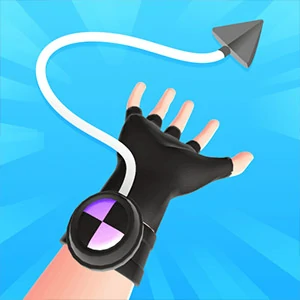
Ropeman 3D is a rope-attachment game: you aim a line at the object the stage points to, fire once the route is clear, and the scene closes when the pull does its job. Level 1 starts simple, and the fail screen keeps Revive and Restart ready if a line goes wrong.
The swing decides when the pull lands
Use the rope to reach, pull, or hold the object the stage points to, and close the scene without a failed attachment. The target is usually visible from the start, so you can name the job before you ever fire the line.
Aim with the mouse or a finger drag, then activate the rope with a click, tap, or the on-screen action the player shows. The stage loads a hint for the next button, and the release timing follows from how the swing travels.
Let the scene settle and find the attachment point the stage intends. Line the rope up with the centre of that point, then activate it only when the route to it is clear of obstacles.
Line up on the centre of the target, not the edge
Attachments near an object's edge leave the rope with extra leverage, and the target swings wider than you expected. A central aim keeps the pull predictable and makes the follow-up action easier to complete, so centre every shot unless the scene gives you a reason not to.
Fire only when the straight path to the point is open
A clear line to the attachment point rarely stays open long, so obstacles and moving objects decide your window. Watch one full cycle first, then cast while the route is open and the target is steady.
Turn the tap-to-aim hint into a faster first read
The stage shows the tap-to-aim cue before Level 1 gets busy, and that hint is worth reading twice. Naming the target and its intended point before you fire turns the opening into one clean attach instead of a guessing shot.
Use the swing to judge the release moment
Once the rope attaches, the swing travels before the pull lands, so the release is a timing step, not a second aim. Let the line carry far enough, then act as it lines up with the target rather than rushing the button.
Choose Revive or Restart with the fail screen in view
A failed attachment opens the fail screen with Revive and Restart side by side, and the choice is a session plan more than a reaction. Revive puts you back in the scene you failed, while Restart loads it again from the beginning; pick based on whether you want continuity or a fresh line.
Where Ropeman sits beside the driving titles
Compared with the driving titles beside it, Ropeman 3D runs on aim and attach rather than pace and timing. Each scene rewards a quiet read before you fire, so it suits a visitor who wants one clear job per screen instead of a constant-input chase.
Centre aim or an edge grab
Is the edge of an object a better grip than the middle?
No; a central attach keeps the pull straight, while an edge grab makes the target swing wide and can end in a failed attachment. Re-aim toward the middle before trying the same scene again.
What should I do when the rope keeps slipping off?
Check the angle before you change anything else, because a rope that falls off is usually arriving at the wrong angle rather than the wrong time. Straight-on approaches hold better than sharp side hits.
Why does the next action not appear after my attach?
The scene waits for the swing to finish its path, so a second tap in that window does not find a target. Let the pull play out to the end, and the stage advances when the motion completes.
Does the game punish a slow start?
Nothing on screen starts a clock during the opening, so the first read of the scene is yours to take. Treat the loading moment as part of the run and fire when the route is open rather than when the screen first settles.